
Lab-Grown Diamonds vs Natural in 2026: The Market Just Shifted
For most of the last five years, the smartest advice on lab-grown diamonds was almost embarrassingly simple: wait, and they will be cheaper next quarter. In 2026, that advice finally stopped being true. The lab-grown market has matured, prices have found a floor, and the distance between lab-grown and natural diamonds has settled into something that looks permanent. If you are choosing a stone this year, the ground has shifted beneath the old rules - so here is what genuinely changed, and what it means for you.
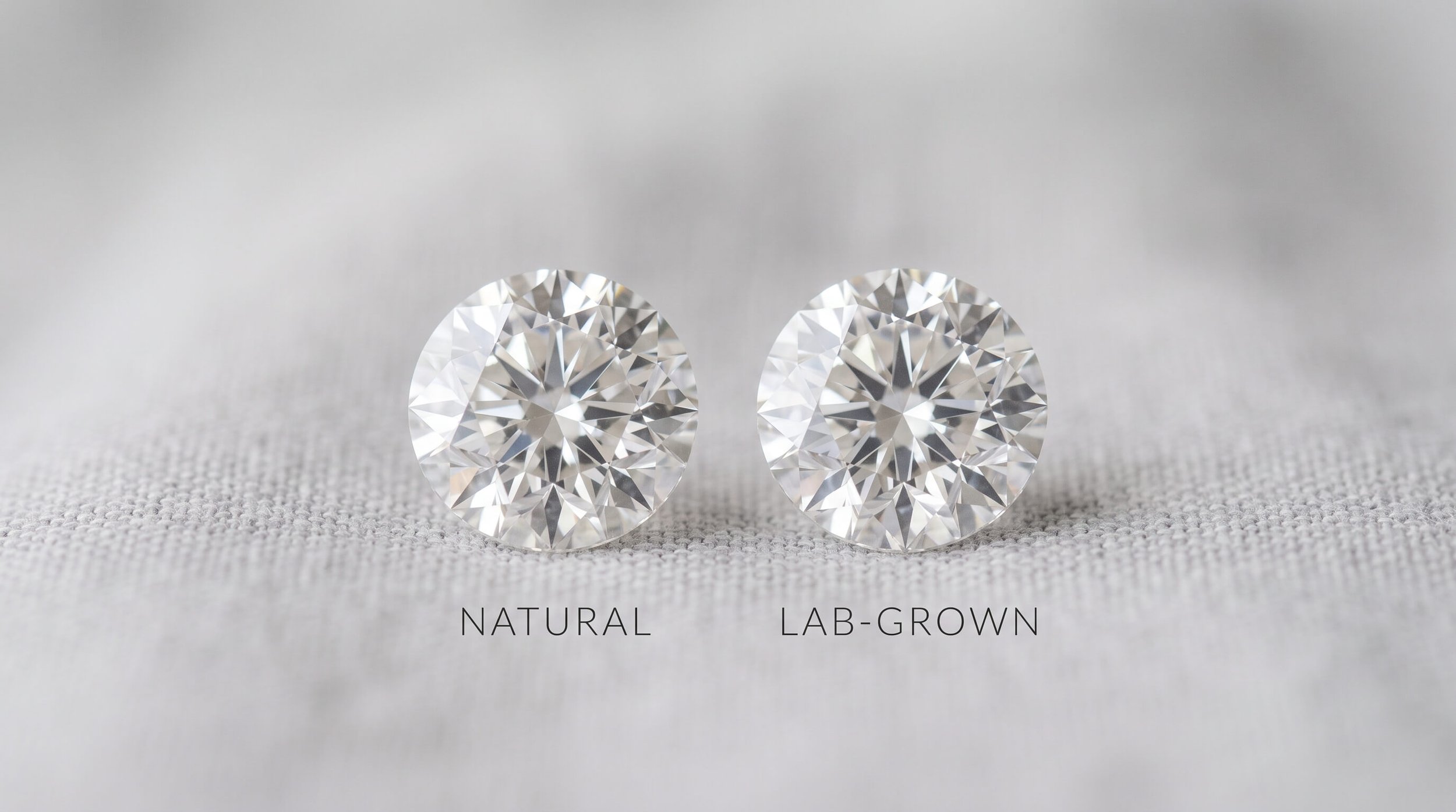
The Price Free-Fall Is Over
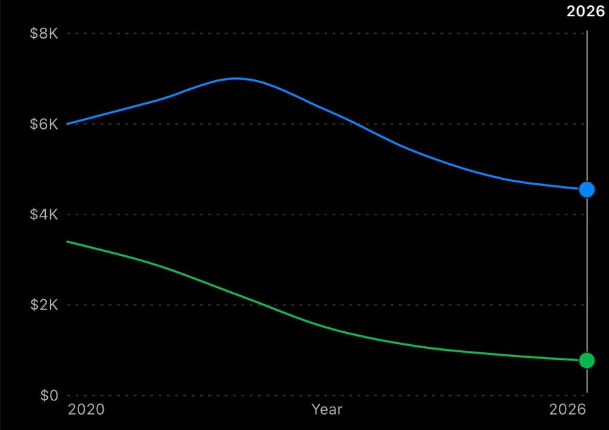
Lab-grown retail prices have fallen roughly 70-88% since their 2020 peak. A one-carat lab-grown round that cost around $3,400 per carat in 2020 now sells closer to $350-$900 per carat depending on the color, clarity, size, shape, certified or no and, of course, where you buy it from.
At Rings by Irina we offer the best deals on IGI Certified lab diamonds.
Why some fancy jewelry stores sell same lab diamonds for more?
Unfortunately many jewelry owners bought lab diamonds when the prices were too high and now they can't sell them for the current prices because they will loose money. So you might be browsing through their collections and see unreasonably high prices on their lab diamonds and lab diamond rings. Why? The reality is that they stocked up during times when lab diamond prices where very high and now they offer same old high prices to their customers.
But customers today know what they want and the online world offers amazing options for smart shoppers.
Here you will find what you are looking for.
Any shape, any size, any color is available. Irina can offer you even 5 ct fancy pink IGI Certified any shape lab diamond for a wholesale price. Get the best deals at Rings by Irina. Contact for a price quote.
| Year | Natural 1 ct | Lab-Grown 1 ct |
|---|---|---|
| 2020 | ~$6,000 | ~$3,400 |
| 2021 | ~$6,500 | ~$2,900 |
| 2022 | ~$7,000 | ~$2,200 |
| 2023 | ~$6,300 | ~$1,500 |
| 2024 | ~$5,400 | ~$1,100 |
| 2025 | ~$4,800 | ~$900 |
| 2026 | ~$4,550 | ~$770 |
What the data shows
Natural diamonds: Prices peaked around 2022 and have since declined about 24% through 2026.
Lab-grown diamonds: Average retail prices have fallen roughly 77-88% since 2020 as production expanded and manufacturing costs dropped.
By 2026, a comparable 1 ct lab-grown diamond costs only about 17% of a natural diamond on average.
Why more brides choose lab-grown in 2026
The quality debate is essentially over. An IGI-certified lab-grown diamond in the 2-to-7-carat range - DEF color, VVS–VS clarity - costs a fraction of a much smaller, lower-quality natural stone, and it's chemically, optically, and physically identical to a mined diamond. For most brides that's no longer a compromise; it's the smarter choice: a larger, brighter, higher-clarity center stone with a guaranteed conflict-free and fully traceable origin, for what a small natural solitaire would cost. It's why 40% of couples in The Knot's 2026 study said choosing a lab-grown stone was specifically important to them.
What Buyers Are Actually Doing With the Difference
The question people ask has changed. It is no longer “natural or lab?” but “what does the gap let me upgrade?” The average lab-grown center stone has jumped from about 1.3 carats in 2019 to roughly 2.5 carats today. Some buyers simply pocket the savings; others go bigger, choose a finer metal, or put the difference into a more meaningful setting. According to The Knot's 2026 Real Weddings Study, lab-grown center stones now account for 61% of all engagement ring purchases - a 239% increase since 2020 - while natural-diamond engagement rings showed no growth in total spend or center-stone size over the same period.
One Honest Word on Resale
Neither stone is an investment in the stock-market sense, but they do diverge here. Lab-grown typically recovers only about 10-30% of its purchase price at resale; natural, roughly 20-60%. If a ring is about beauty and meaning - which for most people it is - either choice is sound. If lasting, transferable value matters to you, that is precisely where a natural diamond still earns its premium.
So, Which Should You Choose?
The 2026 takeaway is freeing rather than confusing: there is no longer a wrong answer, only the right one for you. Whether you want maximum size, lasting rarity, or something in between, the smartest move is to design around your priorities instead of the headlines. Browse our custom gemstones, and use the AI Ring Designer to watch your budget take shape as an actual ring before you commit to a single thing.
Track the Market Yourself
The figures in this piece come from the analysts who watch this market most closely. If you like to check the numbers before a major purchase, two sources are worth bookmarking:
🔗 Paul Zimnisky Diamond Analytics
🔗 Rapaport Diamond Price & Market Data
Prices move, but the story of 2026 is stability - and knowing where the market stands puts you in control of your decision.