
10k vs. 14k vs. 18k Solid Gold: Pros, Cons, and How to Choose
Two rings can look almost identical, sit in the same color of gold, and still be made of meaningfully different metal. The reason is karat - the measure of how much pure gold is actually in the mix. It is one of the most important choices behind a ring, and one of the least understood. Let’s fix that.
First, a small but useful fact: in the United States, anything 10k and above is legally allowed to be called “solid gold.” So 10k, 14k, and 18k are all the real thing - the difference is in the proportions.
What “Karat” Actually Means
Gold purity is measured out of 24 parts. Pure gold (24k) is 99.9% gold - but on its own it is far too soft for a ring you wear every day, so it is blended with other metals for strength. That gives us the everyday options:
10k gold - about 41.7% pure gold. The most alloy, the most affordable, and the most scratch- and dent-resistant of the three.
14k gold - about 58.3% pure gold. The balanced middle ground, and the most popular choice for fine jewelry in the United States.
18k gold - 75% pure gold. The richest color and the most precious feel, but softer and a little more prone to scratches.
The pattern is simple: more pure gold means richer color but softer metal; less pure gold means a more durable, harder-wearing ring.
How They Look
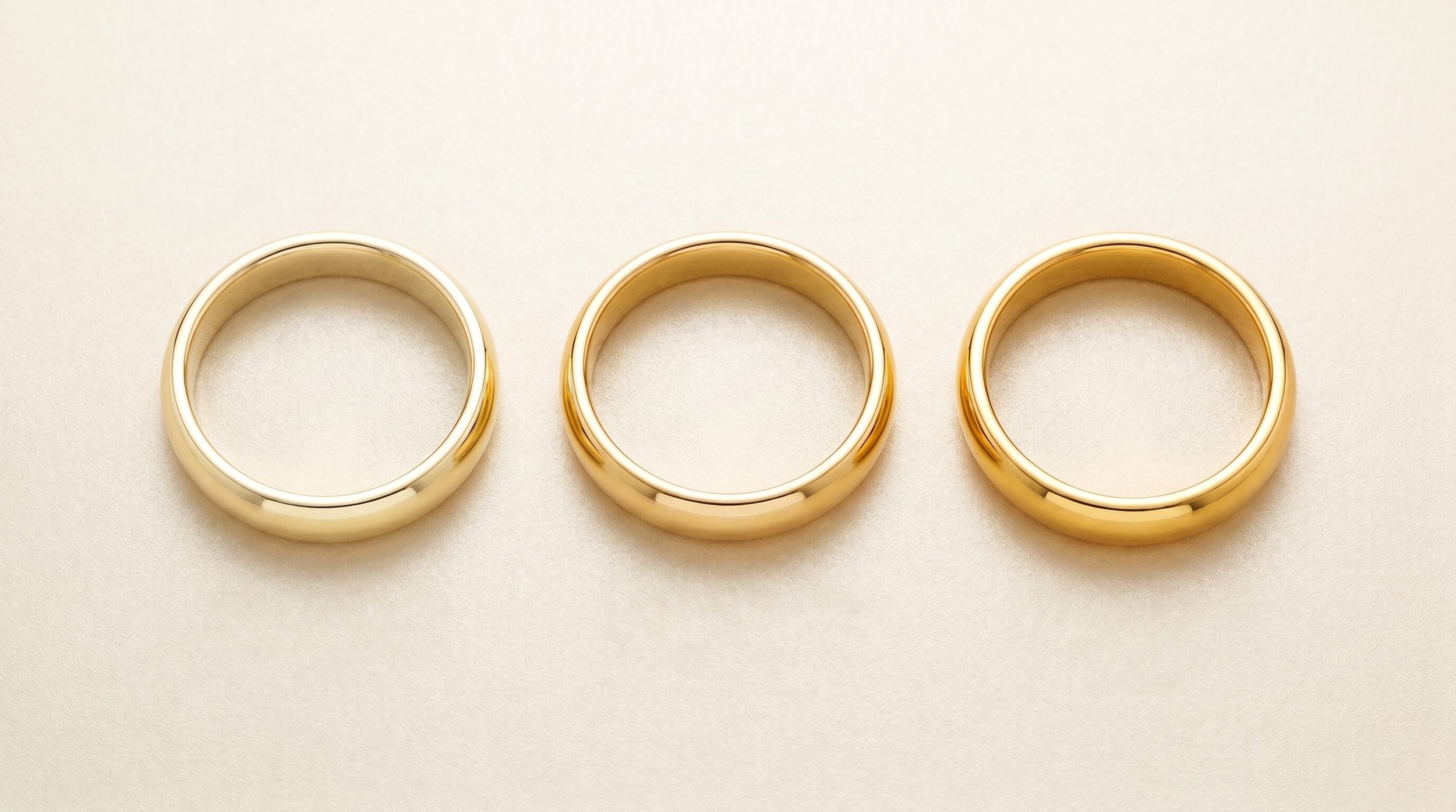
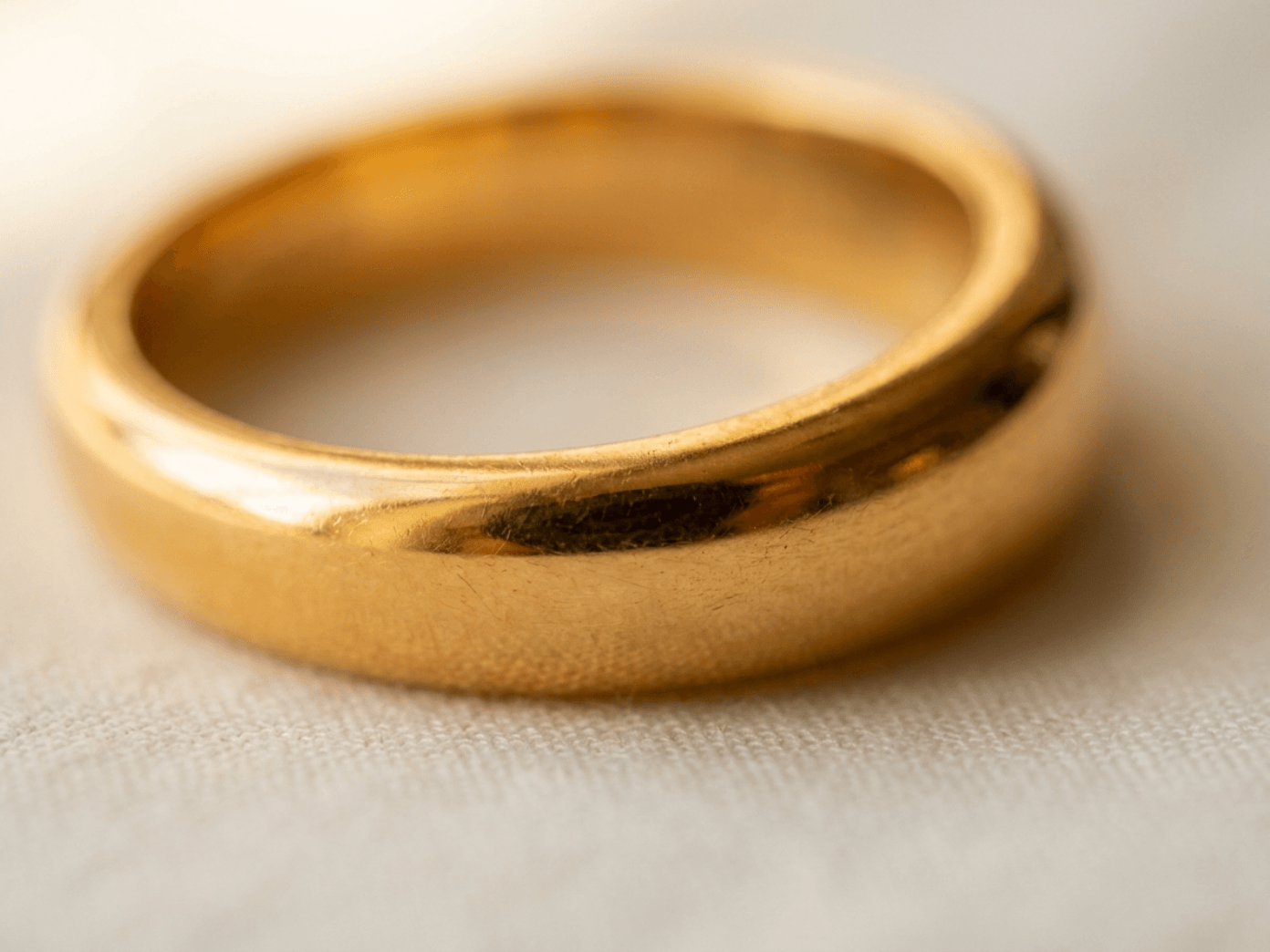
The visual difference is subtle but real, especially in yellow gold. 18k has the deepest, warmest, most saturated glow - the color most people picture when they imagine gold. 14k is slightly lighter and still beautifully warm. 10k is the palest of the three, because it carries the most non-gold alloy. In white and rose gold the color gap narrows, but the durability differences still apply.
The Pros and Cons, Honestly
10k - Pros: most affordable, hardest, very durable for active wear. Cons: the palest color, and because it carries the most alloy, it is the most likely of the three to react with skin, moisture, or chemicals over time, which is worth noting if you have sensitive skin.
14k - Pros: the sweet spot. Durable enough for daily life, with a warm, lasting color and a fair price, and it holds gemstones and prong settings securely - which is why it is the workhorse of fine jewelry. Cons: honestly, very few, which is exactly why it is so popular.
18k - Pros: the richest color, the highest gold content, a genuinely luxurious feel. Cons: softer, so it shows scratches and wear a little more readily, and it costs more.
A quick insider note: the quality of the alloy matters too. Gold blended with premium metals behaves far better than gold cut with cheaper ones - so not every “14k” is created equal. We use recycled fine metals precisely so your ring wears and ages the way it should.
Our Choice - and How to Choose Yours
Most items are offered by default in 14k solid gold any color but every single piece can be customized in 10k solid gold any color and 18k solid gold any color. Even platinum customizations are available. You can choose your color - yellow, rose, or white - but the 14k foundation stays the same, because we believe it is simply the right metal for fine jewelry that has to live a real life on a real hand.
Want to see your design come together? That is exactly what we are here for.
🔗 Rings By Irina - AI Ring Designer
🔗 Rings By Irina - Shop All Custom Rings
For independent, expert background on gold and gemstones:
🔗 GIA - Gemological Institute of America
🔗 GIA - How to Care for Your Jewelry
Gold is one of the few materials on earth that can be worn every single day for decades and still look beautiful. In 14k, crafted with care, it will tell your story for a lifetime.