
GIA Changed How Lab-Grown Diamonds Are Graded
If you have shopped for a lab-grown diamond recently and noticed the grading report looks different than you expected, you are not imagining things. In one of the most significant moves the diamond world has seen in decades, the Gemological Institute of America - the lab that essentially wrote the rules of diamond grading - changed how it evaluates lab-grown stones. Here is exactly what changed, and what it means before you buy.
The Old System, Briefly
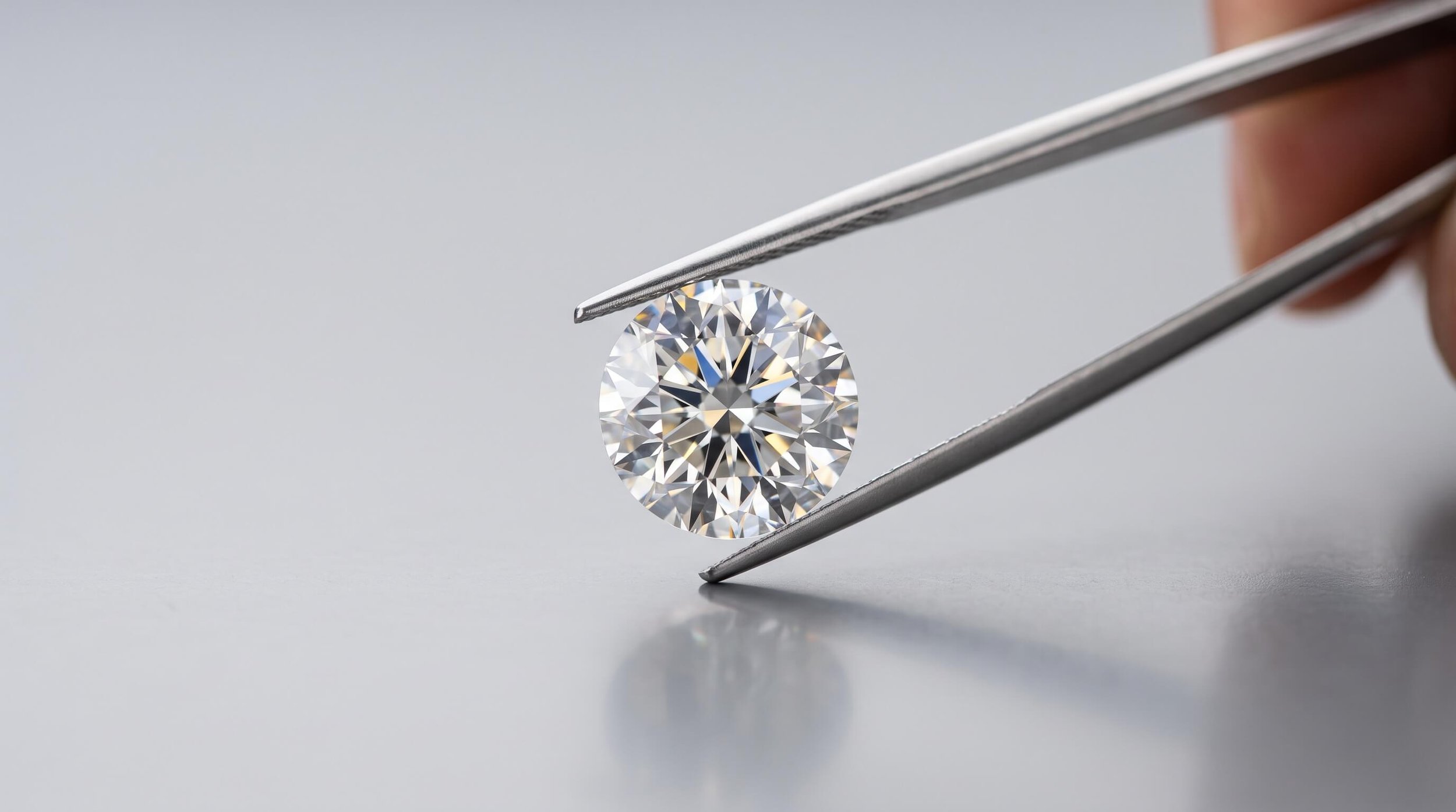
Back in the mid-twentieth century, GIA created the D-to-Z color scale and the Flawless-to-I3 clarity scale for natural diamonds. It is a fine-grained continuum, built to capture just how wildly natural stones vary from one to the next. For years, lab-grown diamonds were described using that same familiar language - the same letters, the same clarity grades.
What GIA Actually Changed
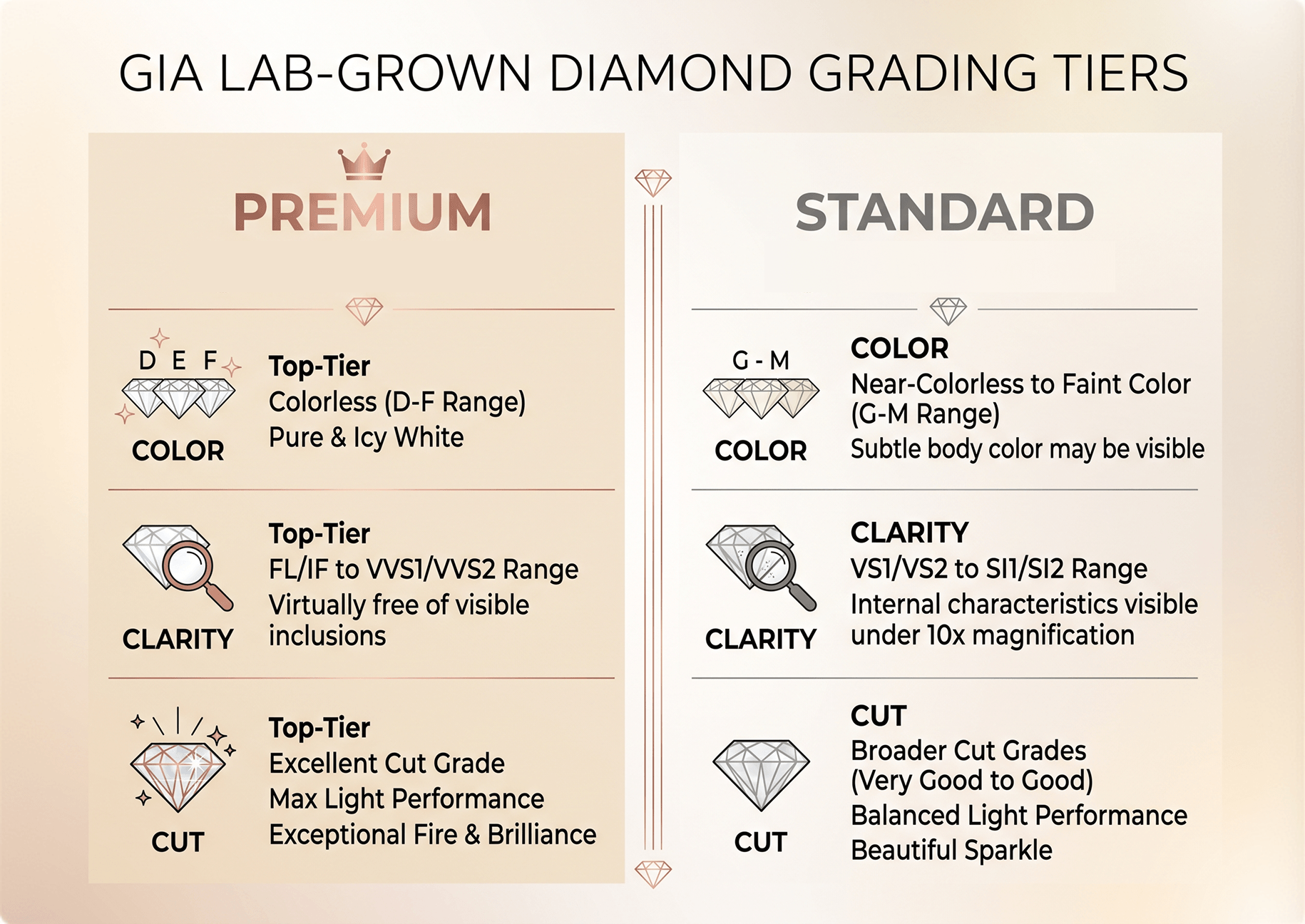
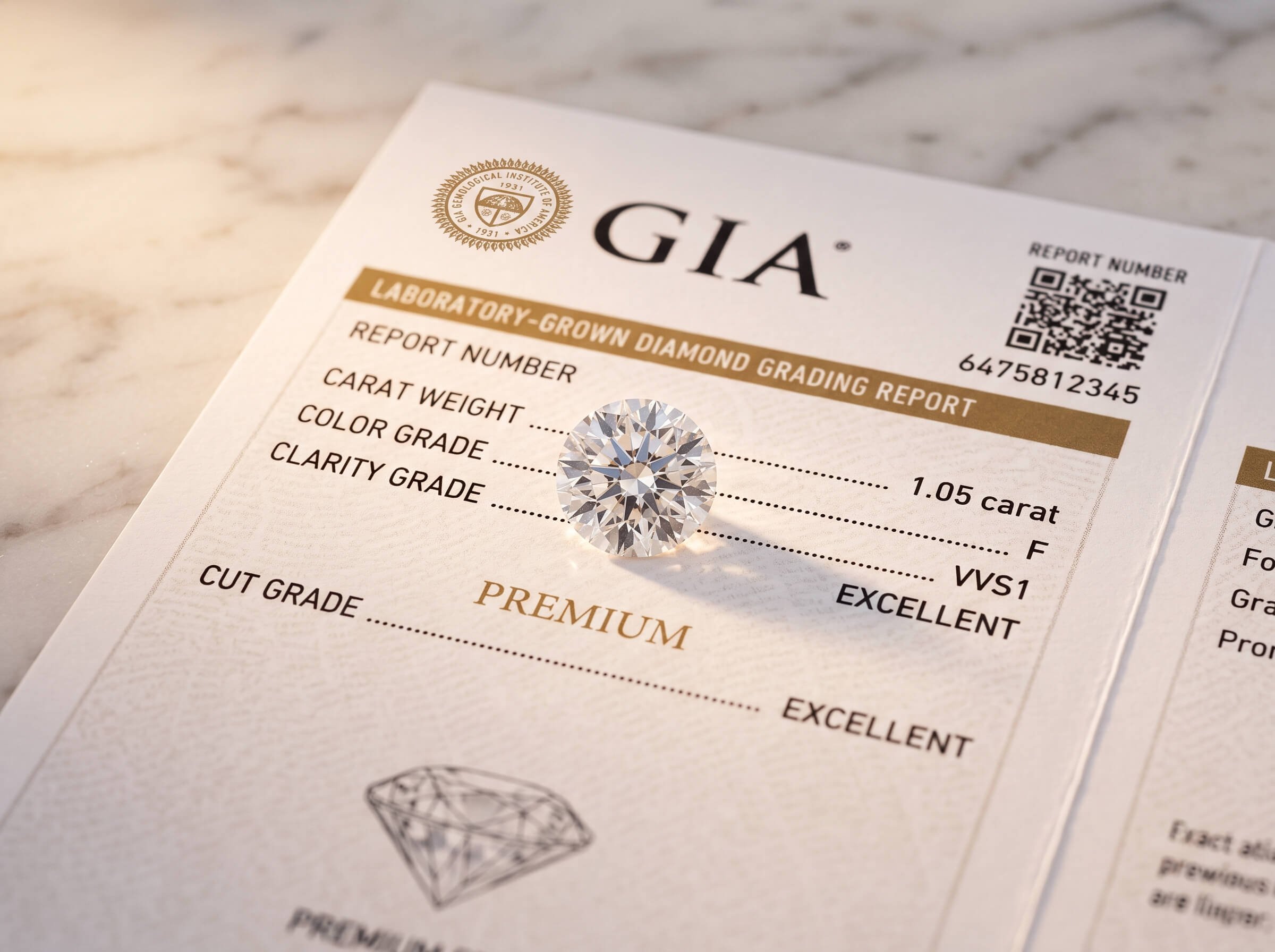
As of October 1, 2025, GIA stopped applying the natural-diamond color and clarity nomenclature to lab-grown diamonds. Instead, its Laboratory-Grown Diamond Quality Assessment now sorts qualifying stones into two descriptive tiers - Premium or Standard - based on a combined view of color, clarity, and finish. Stones that fall below the minimum bar receive no assessment at all. GIA's reasoning is straightforward: more than 95% of lab-grown diamonds already cluster within a very narrow band of color and clarity, so a decades-old scale built to describe natural rarity no longer describes them in any meaningful way.
Premium vs. Standard - What Each Means
In broad terms, Premium is the high bar: top-tier clarity, top color, and excellent polish, symmetry, and cut all at once. Standard covers the wide - and still genuinely beautiful - middle: solid clarity, a broader color range, and very good finish. Anything below the Standard threshold simply does not receive a GIA designation. The exact benchmarks are GIA's to define, but the practical point is that most lab-grown diamonds on the market will land in one of these two clearly labeled tiers.
Three Things This Means for You
First, your older report is still valid. Any GIA report issued before October 1, 2025 remains completely legitimate - nothing about your existing stone has changed. Second, compare specifications, not just labels. During this transition you will see both old-style letter-grade reports and new-style Premium/Standard reports in the market, so look past the headline word to the actual measurements. Third, not every lab made this change. GIA moved to descriptive tiers, but some other labs still apply 4Cs-style grading to lab-grown stones - which means reports from different labs may not line up one-to-one. Always know which lab graded the stone in front of you.
Why GIA Did It - and Why It Helps You
The change draws a clearer line between a finite, mined natural diamond and a manufactured one. It is not meant to diminish lab-grown diamonds - it is meant to describe each product honestly, so you can buy with confidence and know exactly what you are getting. For most buyers, simpler tiers make the decision easier, not harder.
A lab-grown diamond is every bit as brilliant, and as real, as it was before - the label just tells a more honest story now. Once you know what Premium and Standard actually mean, you shop from a position of knowledge instead of guesswork. Ready to build a ring around a stone you fully understand? Explore our custom gemstones, or start by picturing it with the AI Ring Designer.
Straight From the Source
Everything above comes directly from GIA's own announcements. If you want to read the details in full before you buy, start here:
🔗 GIA - The New Lab-Grown Diamond Terminology
🔗 GIA - Updated Lab-Grown Diamond Services
When you understand how your stone was assessed, you shop with confidence instead of guesswork.