
Why Do Engagement Rings Exist at All? The Surprising Meaning Behind the Ring.
At some point, nearly every curious couple asks the question: Why do we need an engagement ring at all?
Why a ring instead of a necklace? Why place it on one particular finger? Why give it before the wedding? And how did one small piece of jewelry become the worldwide signal for, “We have officially decided to deal with each other’s families forever”?
The answer is more complicated—and more interesting—than pure romance.
Engagement rings did not begin as diamond-covered declarations of love. They evolved from practical signs of agreement, family arrangements, religious promises, social status, and financial commitment.
Over time, couples transformed them into something far more personal: a visible symbol of a private decision.
The Short Answer
The original point of a betrothal ring was to make a promise tangible.
Words can disappear the moment they are spoken. A ring remains.
It can be seen, touched, worn, and carried into everyday life. It tells the wearer, the giver, and sometimes the surrounding community that an important commitment has been made.
The details of that commitment have changed enormously throughout history. But the central purpose has remained surprisingly consistent: The ring turns an intention into something real.
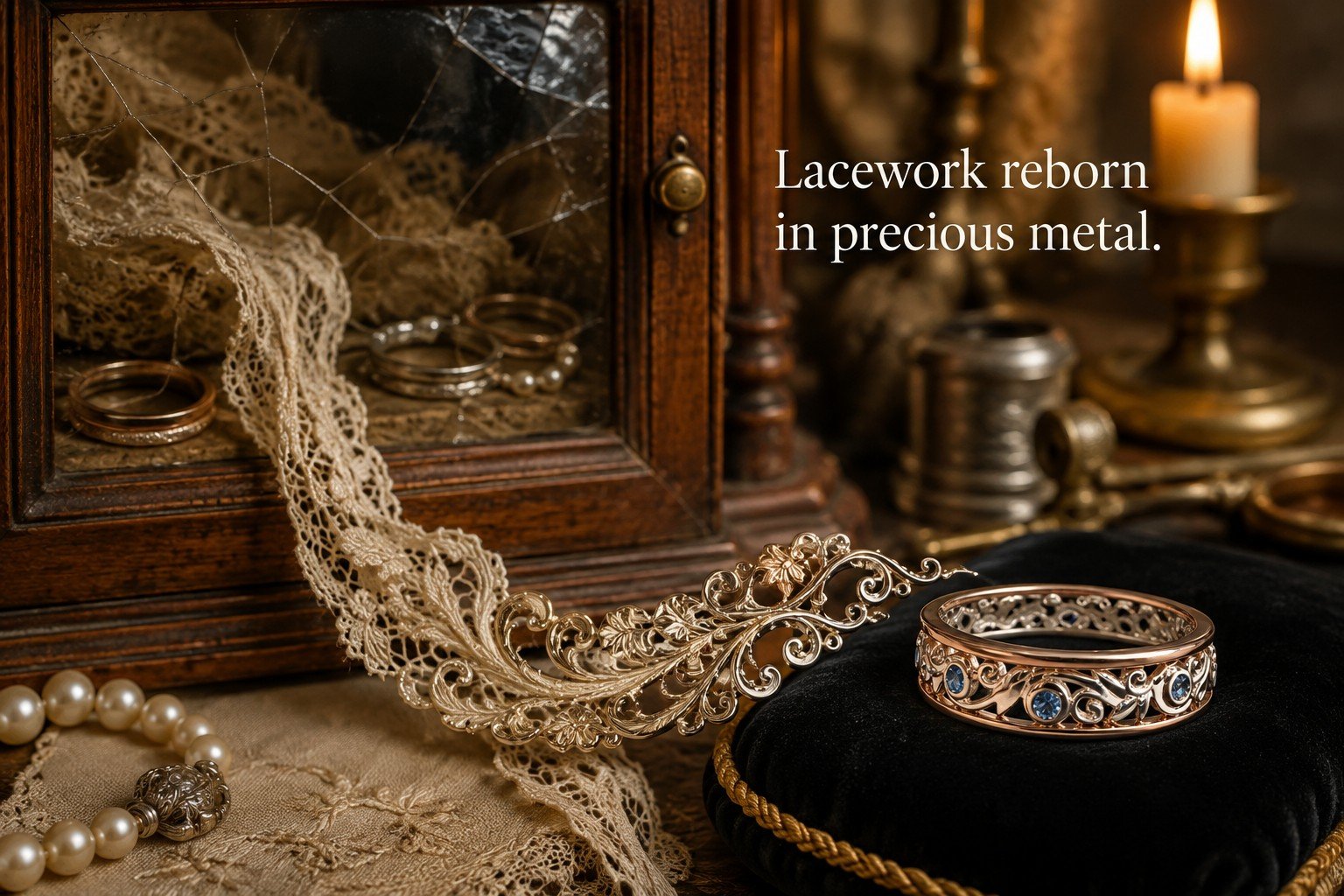
The Earliest Rings Were Not Exactly Romantic
The history of betrothal rings reaches back well before the modern idea of marrying primarily for romantic love.
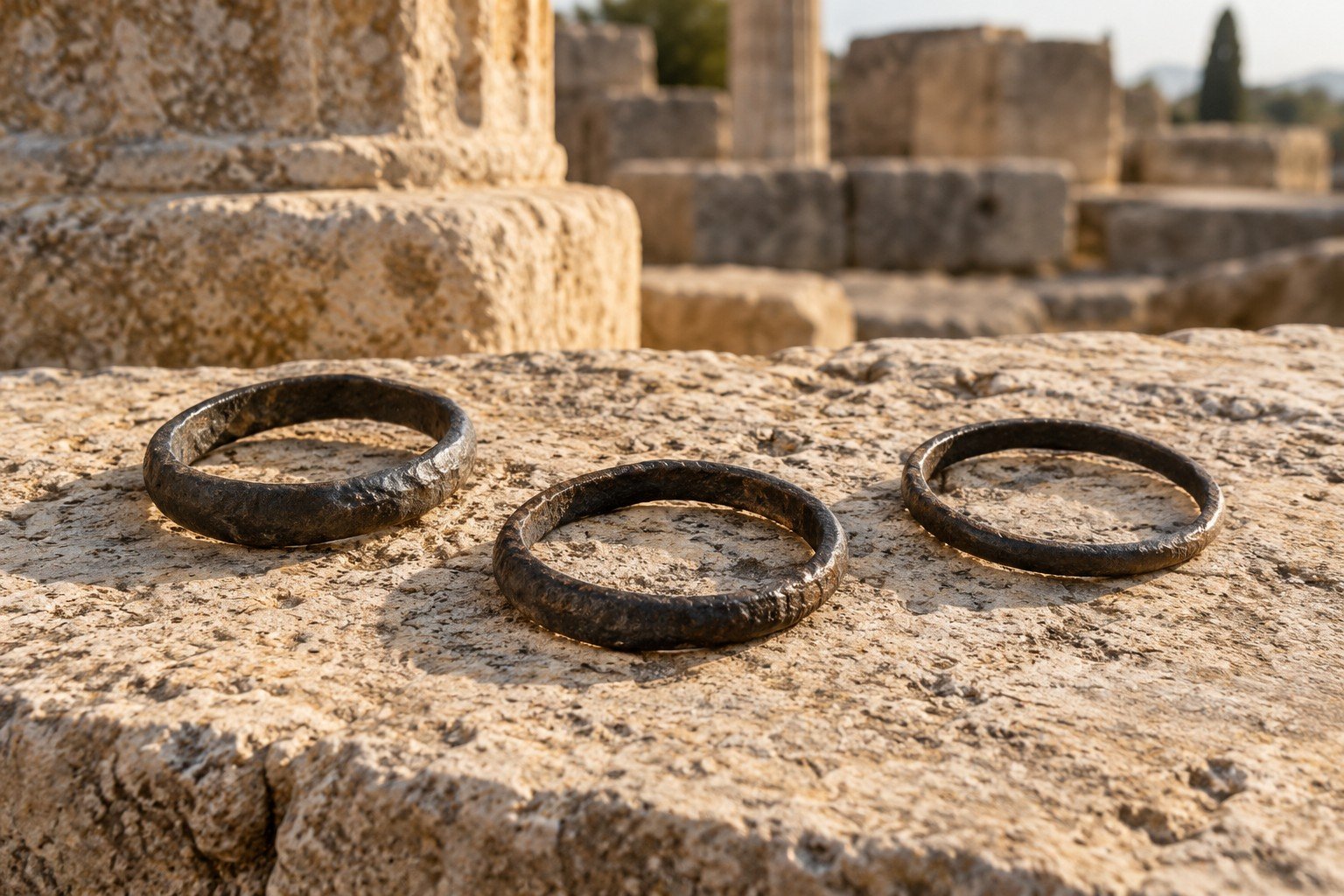
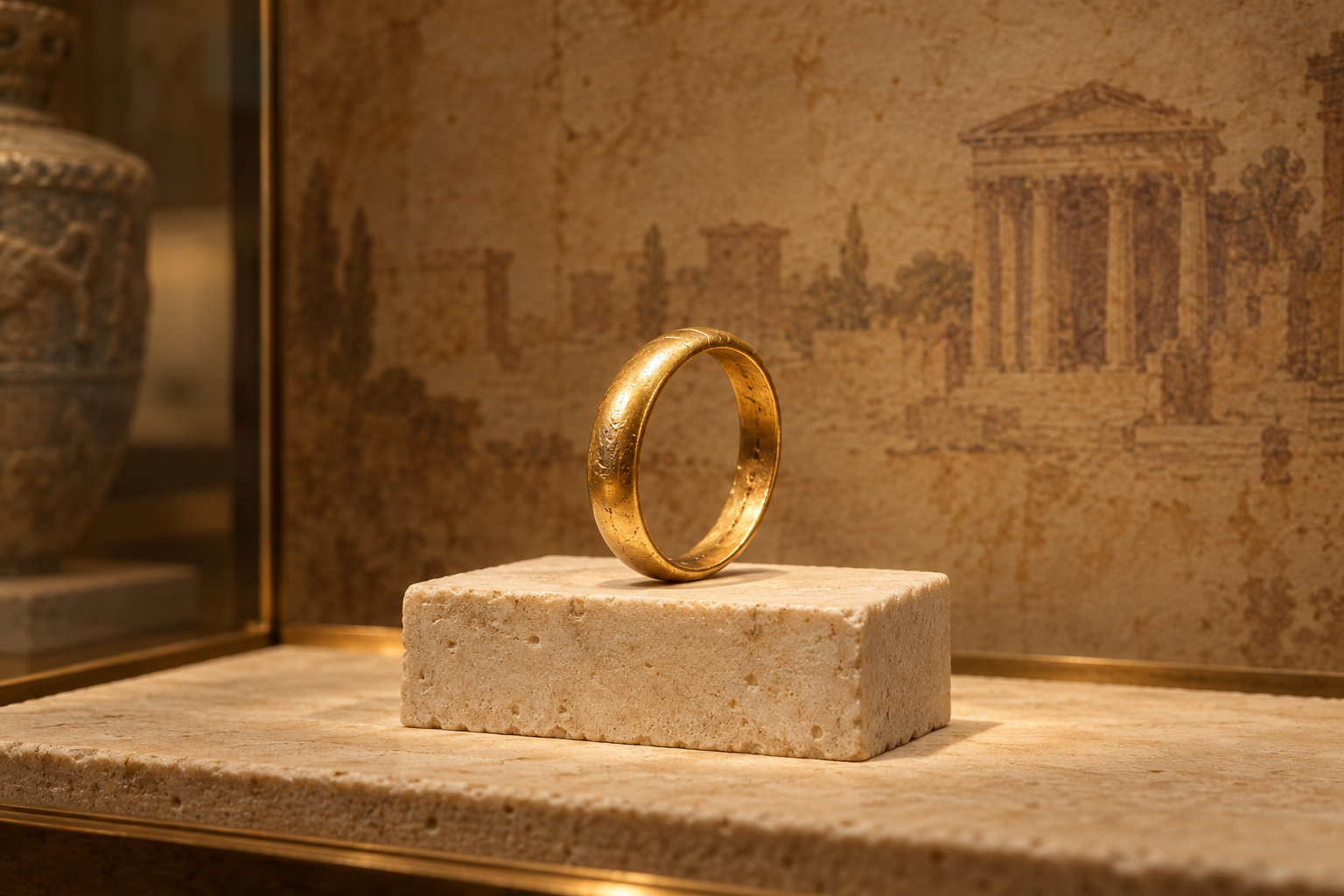
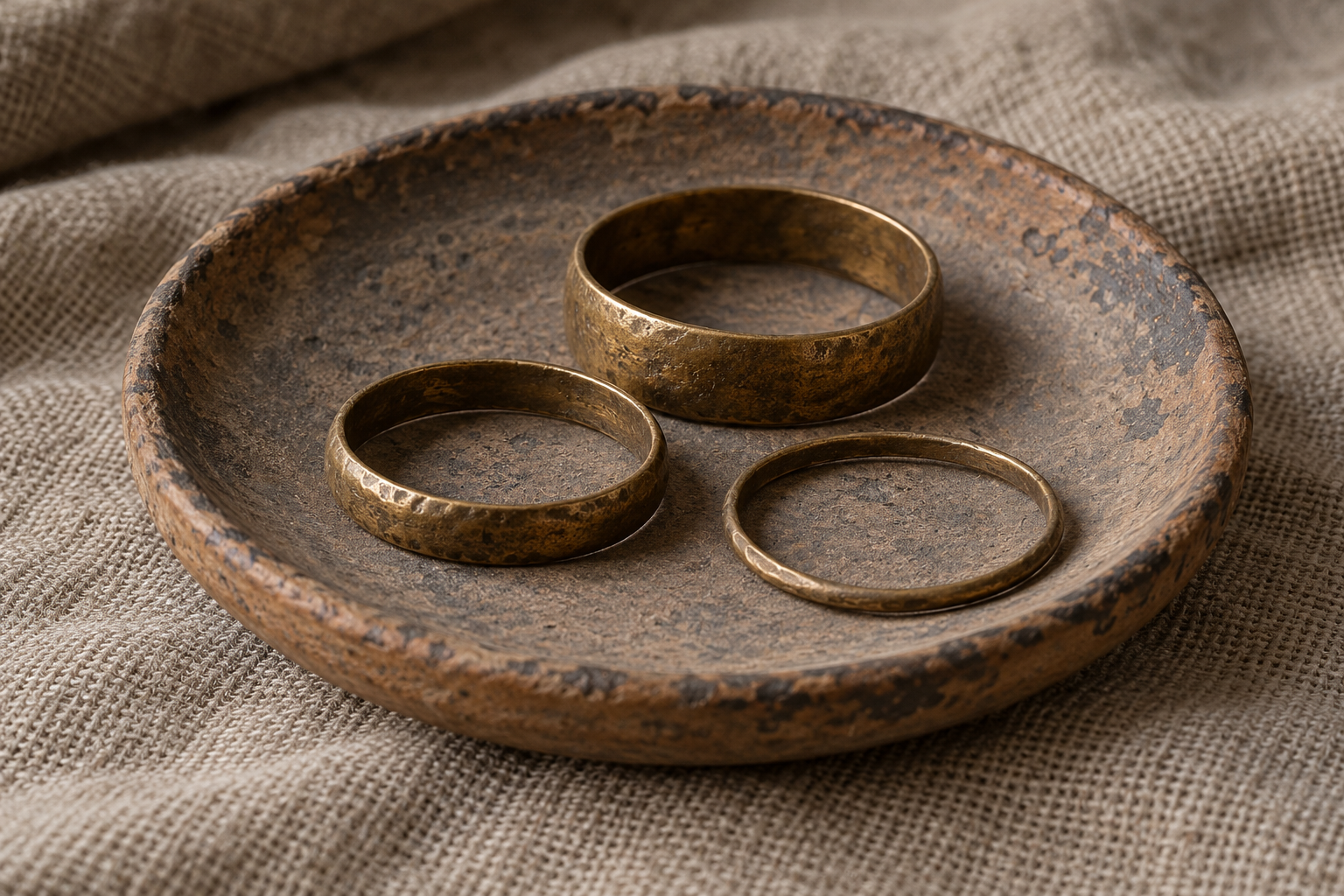
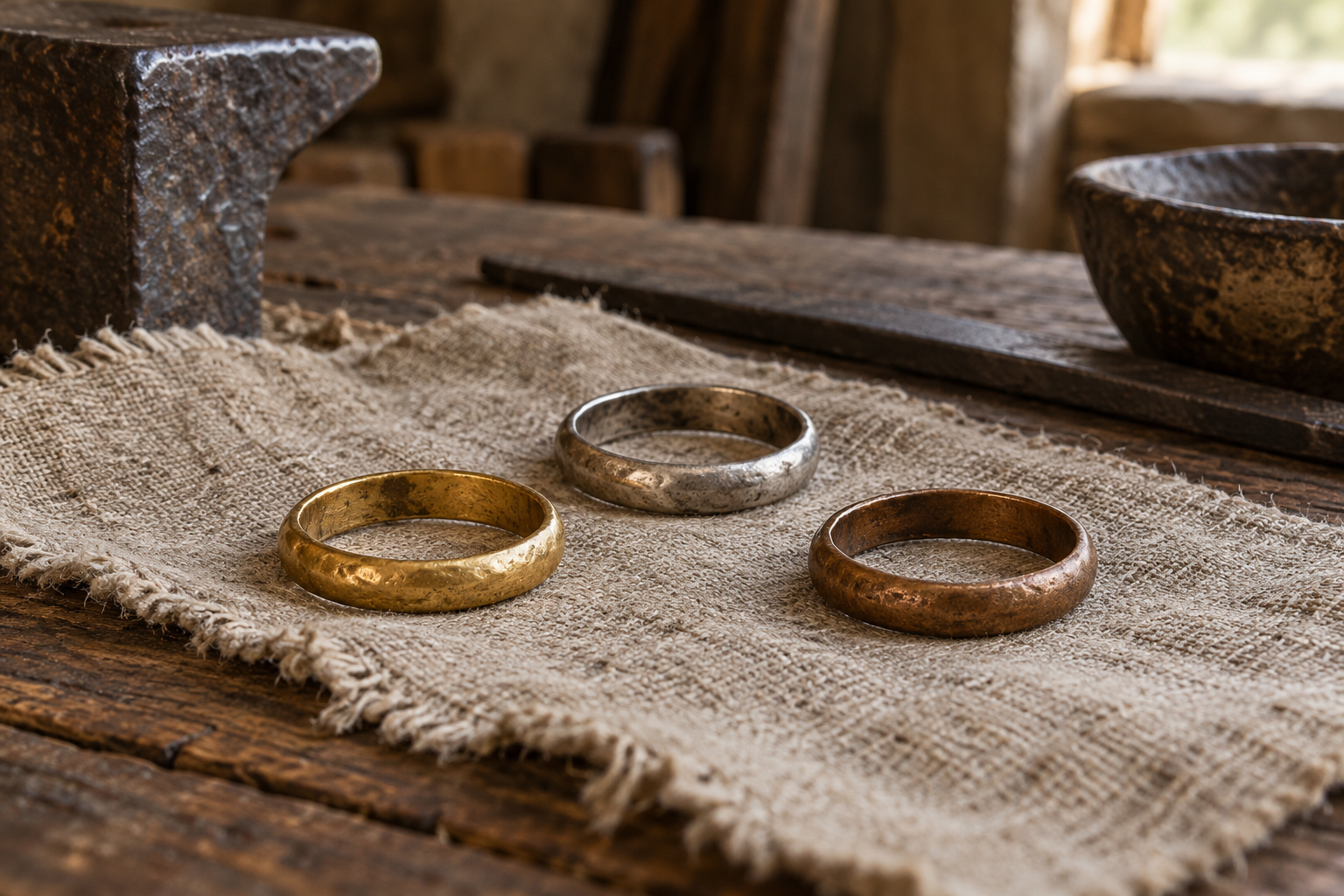
In ancient Rome, betrothal rings could indicate that a marriage agreement had been made. According to GIA’s historical overview, early Roman examples included plain iron hoops. Among wealthier people, a gold ring might also be worn publicly. (gia.edu)
These rings were connected to families, property, social arrangements, and legal intentions as much as personal affection.
In other words, the first engagement-ring conversation probably sounded less like:
“I cannot imagine my life without you.”
And more like:
“Our families have reviewed the terms.”
Not quite as romantic—but it established the ring as evidence of a serious promise.
Why a Ring?
A ring is an unusually effective symbol.
Its circle has no visible beginning or end, so cultures have long associated it with continuity, unity, and an enduring bond. A ring is also practical. It can remain with the wearer every day without needing to be carried, stored, or repeatedly explained.
Unlike a document hidden in a drawer, it is visible.
Unlike flowers, it does not wilt.
Unlike a romantic letter, it is doubtful to be accidentally thrown away as garbage.
The ring’s durability helped it become a lasting physical reminder of an invisible commitment.
Why That Particular Finger?
In many Western cultures, the engagement ring is worn on the fourth finger of the left hand.
An ancient belief held that a special vein ran directly from that finger to the heart. This supposed connection later became known as the vena amoris, or “vein of love.”
Modern anatomy does not support the existence of one exclusive vein connecting that finger directly to the heart. Still, the romantic tradition survived. GIA notes that the association of the fourth finger with betrothal rings was already described by a fifth-century Roman writer. (gia.edu)
Ring customs are not universal, however. In various cultures and countries, engagement and wedding rings may be worn on the right hand, moved from one hand to the other, exchanged by both partners, or omitted entirely.
There is no single finger with international authority over love.
When Did the Ring Become Romantic?
As European ring traditions developed through the Middle Ages and Renaissance, designs began to express more personal ideas of faith, loyalty, and affection.
The fede ring showed two hands joined together. The clasped hands represented trust, agreement, and two people uniting.
The gimmel ring used two or three interlocking bands. The partners could wear separate sections during the betrothal and reunite them at the wedding.
The poesy ring carried a short engraved poem, promise, or affectionate phrase. Some messages were placed inside the band, where the words rested privately against the wearer’s skin.
These rings did not need a large center stone to feel meaningful. Their power came from symbolism, craftsmanship, and words chosen for one particular relationship. Surviving museum examples show how betrothal rings could combine interlocking construction with private inscriptions. (britishmuseum.org)
Modern hidden engravings, secret birthstones, and personal motifs are not new inventions. They are continuations of a very old desire:
To place part of a relationship inside the ring itself.
When Did Diamonds Enter the Story?
Diamonds were not always the expected engagement gemstone.
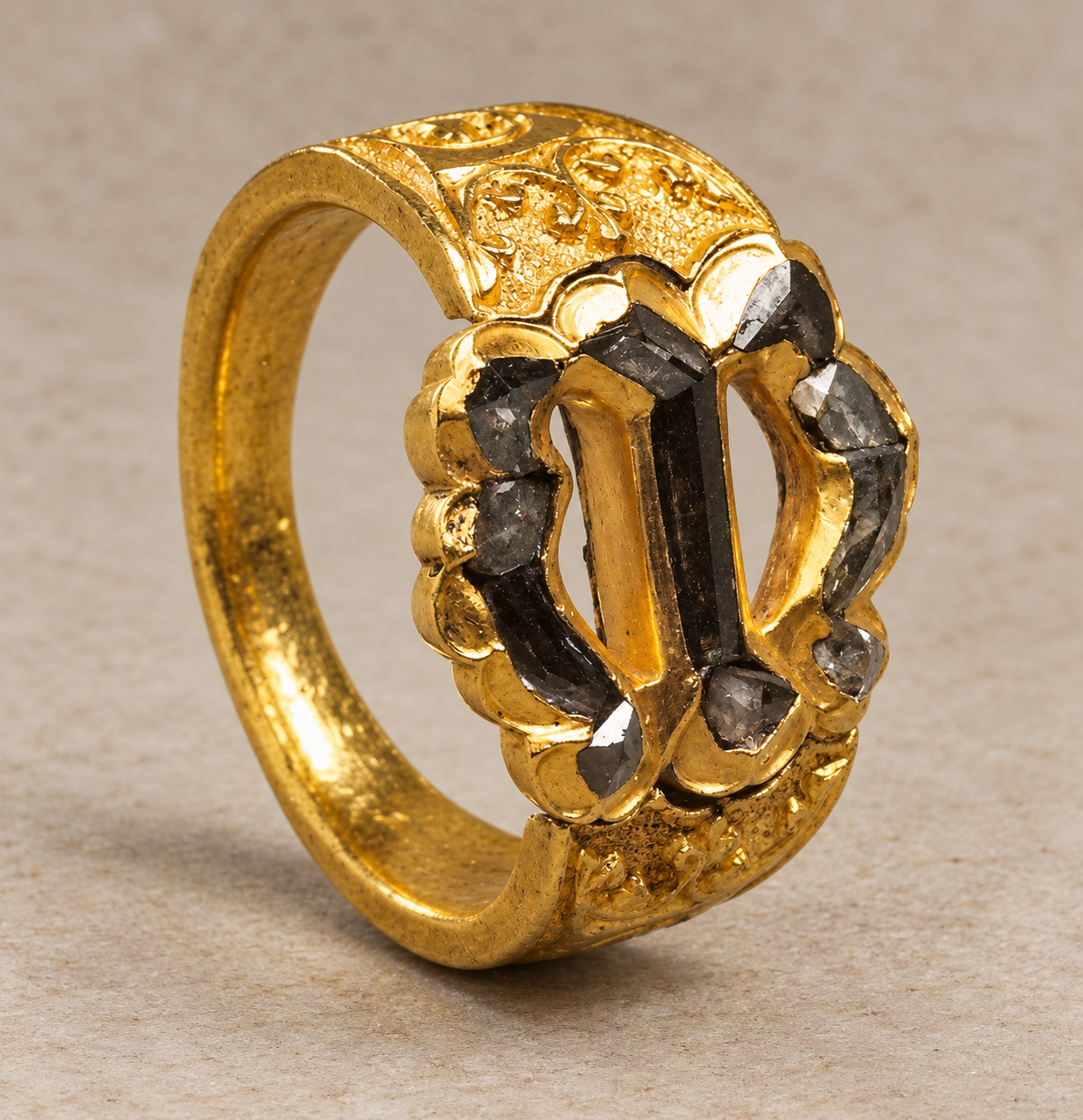
Medieval betrothal rings could feature rubies, sapphires, and other colorful gems. Diamonds began appearing in European engagement jewelry during the 15th century, but they remained rare and available mainly to society’s wealthiest families.
In 1477, Archduke Maximilian of Austria gave Mary of Burgundy one of the earliest recorded diamond engagement rings. The ring is traditionally described as containing small diamonds arranged in the shape of an “M.” (4cs.gia.edu, gia.edu, 4cs.gia.edu)
Diamonds carried appealing symbolism. Their exceptional hardness suggested strength, endurance, and a promise that could resist time.
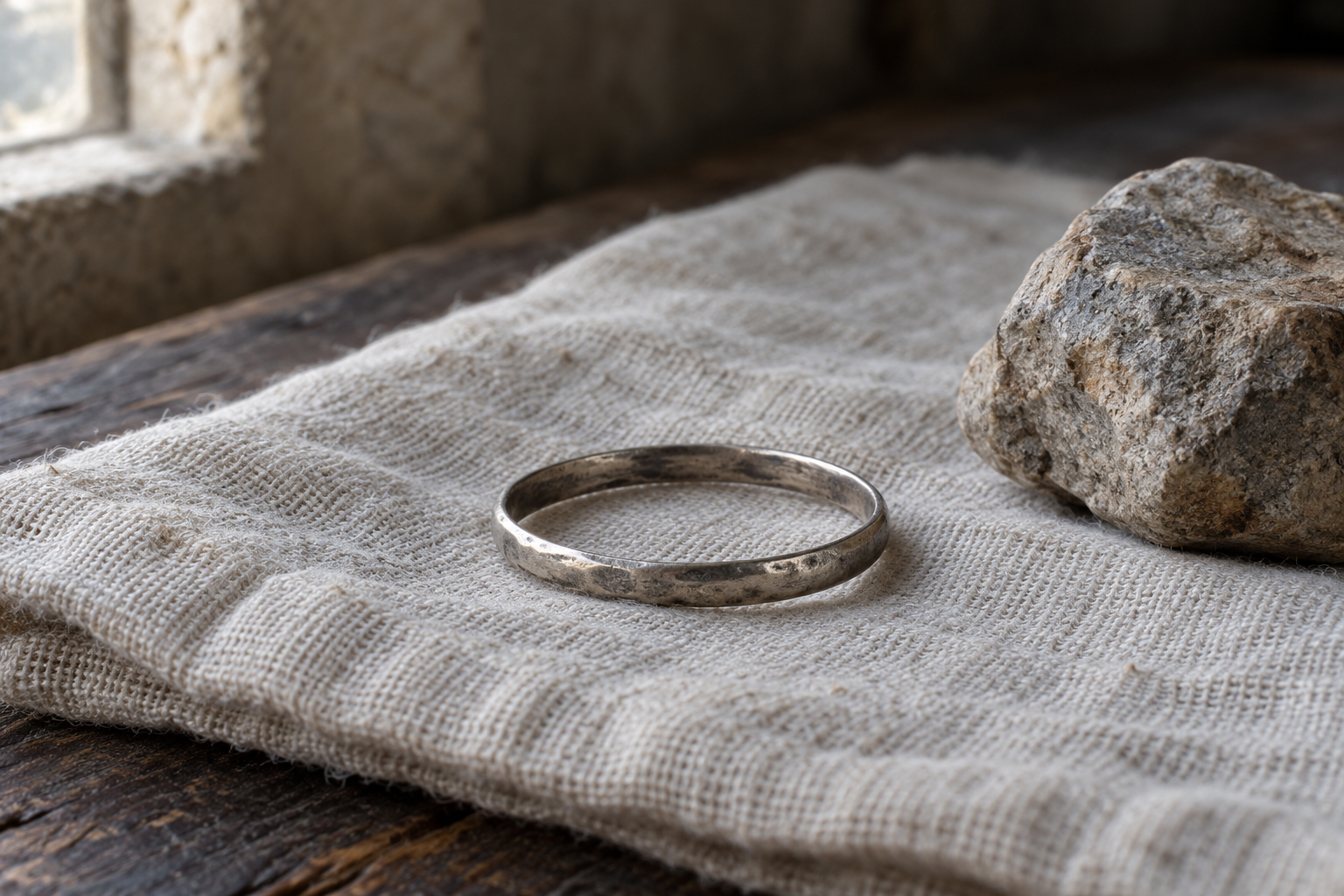
But the diamond engagement ring did not instantly become an everyday tradition. For centuries, many couples continued using plain gold bands, engraved rings, colored gemstones, clusters, or whatever was meaningful and financially possible.
The diamond had entered the love story.
It had not yet taken over the entire plot.
Did Advertising Create the Modern Engagement Ring?
Advertising did not invent betrothal rings or diamond engagement rings. Both existed centuries earlier.
However, marketing played a major role in making the diamond solitaire feel like the expected symbol of a modern proposal.
In 1886, Tiffany & Co. introduced its famous six-prong setting, lifting the diamond above the band and allowing more light to reach the stone. This helped establish the high-set solitaire silhouette that remains instantly recognizable today.
Then, in 1947, copywriter Frances Gerety created the phrase “A diamond is forever” for De Beers. The campaign connected the permanence of diamonds with the permanence of marriage and helped strengthen the diamond’s place in engagement culture.
So, did marketing influence what people believe an engagement ring should look like?
Absolutely.
But marketing alone cannot explain why the tradition remains emotionally powerful. Couples continue exchanging rings because the object serves a real human purpose: it gives physical form to hope, intention, and commitment.
What Does an Engagement Ring Mean Today?
The meaning is no longer decided entirely by family arrangements, religious authorities, tradition, or advertising.
Modern couples can decide what the ring represents for them.
1. “I Choose You”
An engagement ring marks a deliberate decision.
It says that among all the possible futures, two people are choosing to create one together.
The ring does not guarantee a perfect marriage. It represents the intention to build one.
2. “Our Relationship Is Entering a New Chapter”
Dating can hold many levels of seriousness. An engagement creates clarity.
The ring becomes a visible marker between we love each other and we intend to marry each other.
It does not create the commitment by itself. It acknowledges that the commitment has already become real.
3. “Remember This Moment”
Long after the proposal, the ring remembers.
It remembers the nervous question, the surprised expression, the immediate answer—or the several emotionally dramatic seconds before the answer.
Years later, the wearer may look at the ring and remember who they were when they chose each other.
The ring becomes a tiny time capsule worn on the hand.
4. “This Is Part of Our Story”
An engagement ring may eventually become a family heirloom.
It can carry stories into another generation: how the couple met, who designed the ring, why a particular gemstone was chosen, or what a hidden engraving means.
The object becomes valuable not only because of its materials but because of the life that happened around it.
5. “This Is Who We Are”
Modern engagement rings increasingly reflect individual identity.
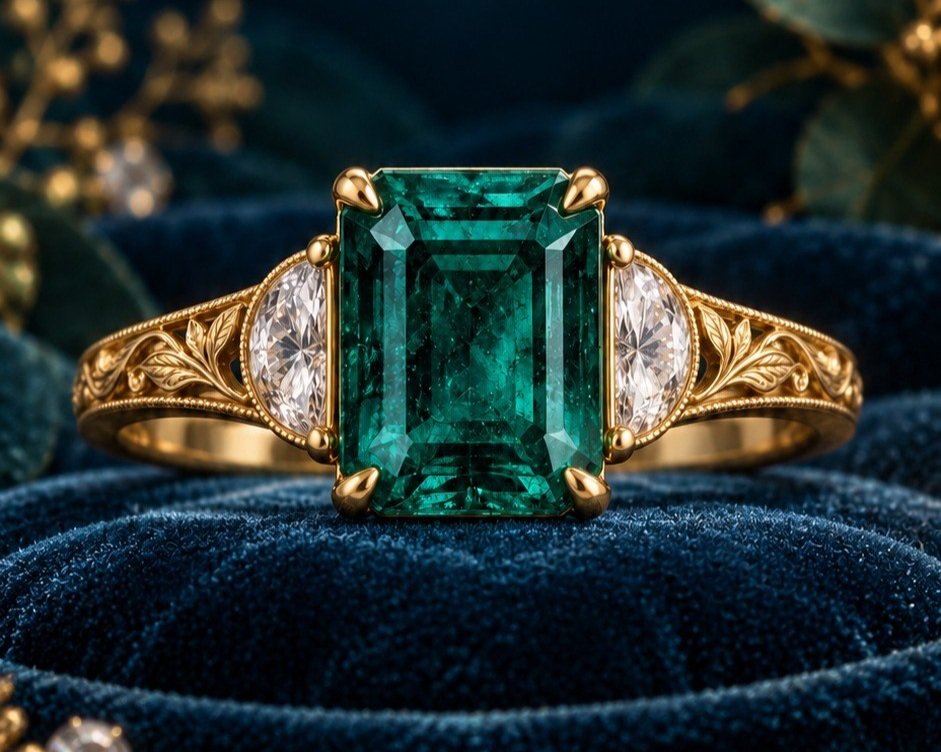
Some couples choose classic diamonds. Others prefer natural sapphires, rubies, emeralds, alternative gemstones, vintage rings, laboratory-grown diamonds, or unusual custom designs.
Colored gemstones can add personal meaning through a favorite color, birthstone, cultural connection, or shared memory. Today’s choices allow couples to create rings that feel less like a social requirement and more like an expression of their particular relationship.
Do We Actually Need an Engagement Ring?
No.
A couple can be deeply committed without an engagement ring. Love is not authenticated by jewelry, and a proposal is not legally or emotionally invalid because it arrives without a gemstone.
Some couples choose another symbol. Some wait until the wedding bands. Some spend the money elsewhere. Some design rings for both partners. Others care deeply about continuing the traditional proposal experience.
The point is not that every couple must have an engagement ring.
The point is that, when freely chosen, the ring can become a powerful way of expressing what words alone may not completely hold.
Tradition should serve the couple.
The couple should not be forced to serve the tradition.
Does the Size of the Stone Change the Meaning?
A larger gemstone may create a different visual impression.
It does not create a larger promise.
The emotional value of an engagement ring comes from the intention behind it, the thought placed into it, and the life it comes to represent.
A simple band with a private engraving may carry more meaning than an enormous stone chosen only to impress other people.
The ring should fit the couple’s taste, lifestyle, priorities, and comfortable budget.
Love has no carat weight.
Why Choose a Custom Engagement Ring?
If an engagement ring is meant to represent one particular relationship, custom design offers a natural way to make its meaning visible.
A custom ring can include:
A gemstone in a personally significant color
A design inspired by a favorite historical era
Two styles blended into one
A hidden birthstone
A meaningful symbol beneath the center stone
A private engraved message
Details inspired by a shared place or memory
An engagement ring and wedding band designed as one complete story
The customization does not need to be obvious to everyone. Sometimes the most powerful detail is the one only two people understand.
From Obligation to Intention
The engagement ring has traveled an extraordinary distance.
It began as evidence of a family or social agreement. It became a symbol of faith and joined lives. It carried secret poetry. Diamonds added ideas of strength and permanence. Advertising created new expectations. Modern couples then reclaimed the tradition and made it personal.
Today, the most meaningful engagement ring does not say:
“I followed every rule.”
It says:
“I know you. I choose you. And I want this ring to carry the story we are creating together.”
Give the Symbol Your Own Meaning
At Rings by Irina, we create custom engagement and wedding rings for couples who want their jewelry to reflect more than a trend.
A ring might feature a rare natural sapphire, recycled solid gold, ethically sourced gemstones, intricate hand engraving, or a hidden detail inspired by your relationship.
Our hand engraver brings more than 30 years of experience to designs that can carry personal symbols, meaningful patterns, and traditions reimagined for modern love.
Engagement rings may have originated as practical signs of agreement.
But today, you are free to decide what yours will mean.
If your relationship could be expressed as a ring, what story would it tell?
Please feel free to use our AI Ring Jewelry by Irina app to create the most unique and one of a kind Engagement Proposal Rings.
Backlinks
Handcrafted to order in Los Angeles by Rings By Irina - call +1 (747) 272-9771 or email original.jewelry@yahoo.com. Most pieces are ready in about 2-4 weeks.
Note: Prices, gemstones, and availability vary, and one-of-a-kind pieces often sell quickly. For current pricing, custom options, or a design you don’t see here, reach out - every piece is made to order and can be tailored to you.